CrushOn AI Character Creation: Free Feature, Real Results
Character creation on CrushOn AI costs nothing — free for all account types, no restrictions. The quality of the character you build is entirely determined by the effort you put into the personality description. This guide focuses on what produces good results and what wastes your time.
Getting to the Creator
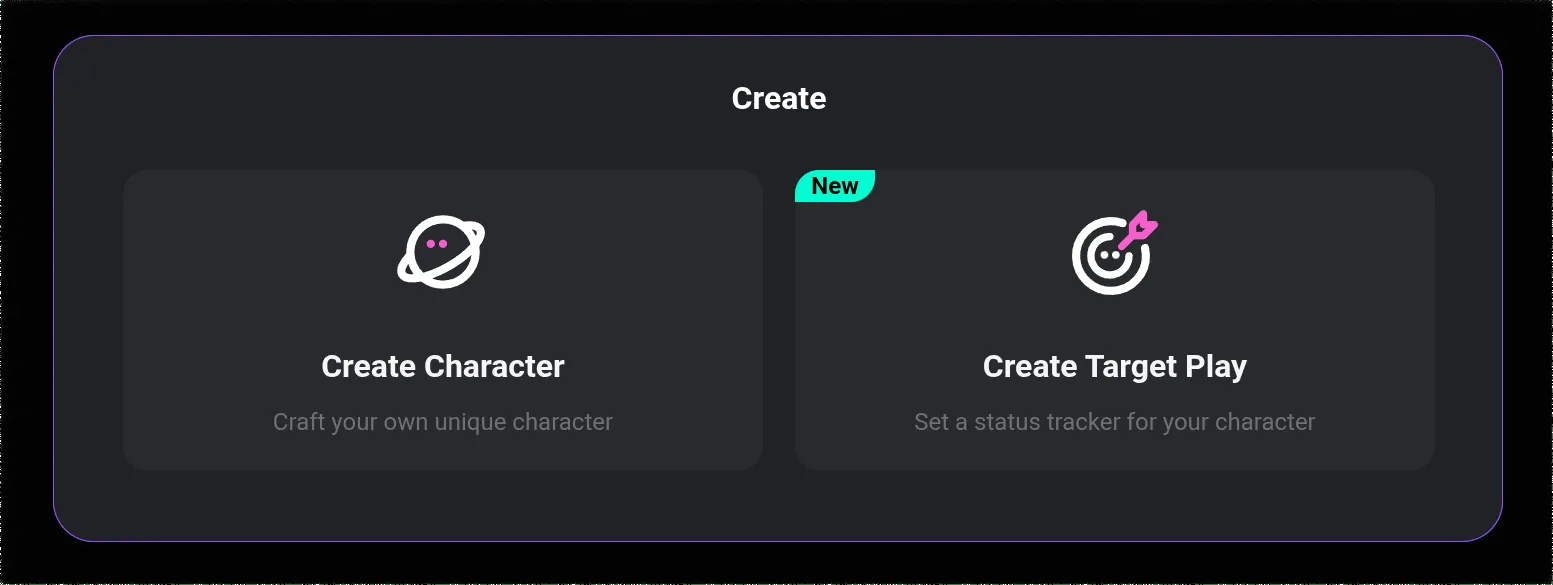
Log in to crushon.ai or the app. In the left sidebar, find the Create button or a "+" icon near the character list. The creation form opens — a single page with all the sections you need to fill.
Time investment: 15-30 minutes for a well-built character. Worth it for a character you will use regularly.
The Section That Determines Everything: Personality
Every other section in the creator matters. The personality description determines most of your character's behavior. Treat it accordingly.
The fundamental problem with most character descriptions:
They describe what a character is rather than how a character behaves. "Mysterious and confident" is a label. "Responds to direct questions about her past with deflections — never outright lies, but redirects to something else — shows through subtle body language and reaction pauses that there are things she does not discuss" is a behavior.
The AI executes behaviors. It interprets labels generically. Write behaviors.
Target length: 150-250 words. This is enough to define 4-6 specific traits with behavioral texture.
Structure for a strong personality section:
Speech pattern: How does this character talk? "Formal and economical — never contractions, never slang, rarely extends beyond what is necessary to make the point." The AI picks up on explicit speech pattern descriptions and applies them consistently.
Core traits with behavior: Pick 3-4 traits and describe what they look like in conversation. Not "she is stubborn" but "she does not revise a stated position mid-conversation — she may acknowledge a counter-argument without conceding."
Emotional responses: How does the character respond when things get emotional? "Deflects earnest emotion with practical suggestions or subject changes — not because she does not care, but because she is uncomfortable with direct emotional expression."
What they do not do: Negative constraints help the AI understand the edges of the character. "Does not initiate physical descriptions of herself. Does not volunteer personal history unprompted. Does not use exclamation points."
First Message: Sets the Template
The first message functions as a behavioral anchor — the AI uses its structure and tone as a template for subsequent responses. A generic first message creates generic responses.
Write an opening that could only come from this specific character:
"The coffee here is acceptable. Sit down if you want." (Economical, not unfriendly, but not warm either)
"I did not expect anyone else to be here at this hour. You are either an early riser or an insomniac. Which is it?" (Observant, direct, slightly interrogative)
"You look like you need something. People always look like they need something when they find me." (Worldly, slightly guarded, hints at being found often)
Each of these is a behavioral demonstration, not just an introduction.
Example Dialogues: Worth Writing
This section takes time and pays off. Write 3-5 exchanges showing the character responding to different types of input: a normal greeting, a personal question, something tense, something casual.
Format:
You: [natural message]
[Character name]: [response in their defined voice]
The AI uses these as calibration data for the character's voice. The more specific the examples, the more reliably the character behaves consistently.
Backstory
100-200 words. Focus on: one or two specific formative events or facts that explain the personality, internal consistency with the personality description, and enough detail that the AI can reference it when the user asks questions about the character's history.
Without backstory, the AI generates history spontaneously. What it generates may not match your personality description.
Avatar and Visibility
Avatar: Upload an image or use the built-in AI generation tools. For characters intended for the public library, the avatar is the primary visual that determines whether people click. For personal-use characters, it matters less.
Visibility options: Public (searchable in library), Unlisted (shareable via direct link, not in search), Private (only you).
Test at Private first. Make changes, then publish when the character is behaving consistently.
Ready to try CrushOn AI?
Visit CrushOn AIFrequently Asked Questions
Yes. All account types including free tier can create, publish, and delete characters with no cost and no restrictions.
150-250 words is the functional target. Length matters less than specificity — 150 words of behavioral descriptions outperforms 400 words of trait adjectives.
Almost always the personality description is too vague. Add specific behavioral descriptions for the traits you want. Add example dialogues demonstrating the voice. Test in private mode and edit the personality section for any scenario where behavior is off.
Public characters appear in the library search and category pages. Unlisted characters are accessible only via direct link — you can share the link but they do not appear in library search. Private characters are only accessible to you.
You can create characters with NSFW personality descriptions on the free tier. Whether users can experience the full NSFW content in conversations with those characters depends on their subscription tier — free users see partial content, paid users see full content.
No documented per-user limit. Create as many as you need regardless of plan tier.